
Keep Pets Safe in April: Toxic Spring Plants to Avoid
Spring brings vibrant blooms and fresh greenery, making it ideal for outdoor time with your furry friends. Yet many common spring plants are toxic to dogs and cats—especially in April, when vegetation thrives. For pet owners and care providers, recognizing these harmful plants is key to keeping pets safe.
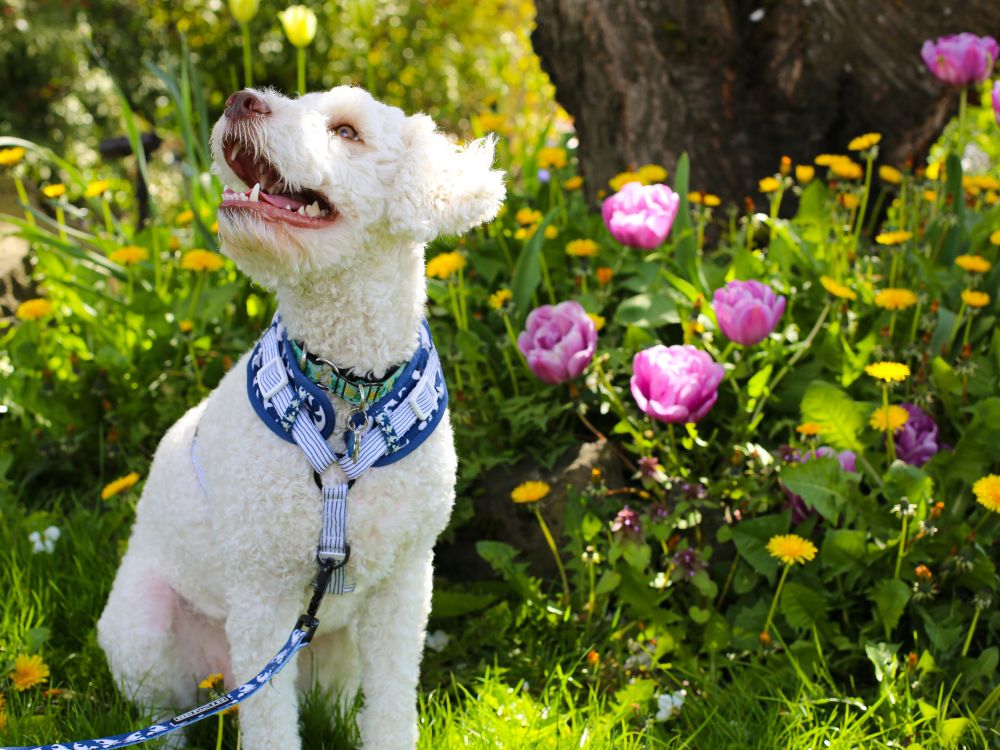
Poisonous Spring Plants to Watch For
Several common spring plants pose risks to dogs and cats. Pet owners should prioritize avoiding these varieties: daffodils, tulips, hyacinths, lily of the valley, laburnum, crocuses, and wood anemones.
The bulbs are typically the most toxic part, but leaves and flowers can also cause severe poisoning if ingested. Symptoms include vomiting, diarrhea, muscle cramps, and in extreme cases, life-threatening heart issues. Even small amounts can trigger reactions, so prevention is critical.
Extra Caution for Cat Owners
Cats are more sensitive to these toxic plants than dogs. Unlike dogs, cats groom themselves frequently, which means they can accidentally ingest pollen stuck to their fur during outdoor exploration. This indirect exposure increases risk, so cat owners must closely monitor their pets’ outdoor activities and keep toxic plants out of reach.
Proactive Tips to Protect Your Pets
As a pet supplier committed to your furry friends’ well-being, we recommend these proactive steps for spring pet safety: avoid planting toxic plants in your yard; keep dogs on a leash during walks to prevent nibbling on unknown vegetation; and contact your veterinarian immediately if you suspect your pet has ingested a toxic plant—prompt treatment is vital.
Enjoy Spring Safely with Your Pet
Spring is a season of joy and renewal, and a little awareness goes a long way in keeping your pet safe. We’d love to hear from you: what other toxic plants have you encountered that pet owners should avoid? Share your tips to help our pet community stay informed and keep furry companions healthy.