
3 Essential Spring Water Tips for Cats
Spring is finally here. The days are getting longer, the sun is warmer, and we’re deep-cleaning our homes, switching out wardrobes, and planning outdoor time. But while we’re busy preparing for the new season, it’s important to remember that spring brings changes for our cats too—especially when it comes to hydration.
Rising temperatures, increased shedding, and a higher risk of urinary issues make proper water intake more critical than ever. Dehydration in cats can lead to serious health concerns, including urinary crystals, kidney strain, and uncomfortable constipation. Fortunately, keeping your cat well-hydrated doesn’t have to be complicated. Here are three simple, effective tips to help your feline friend drink up this spring.
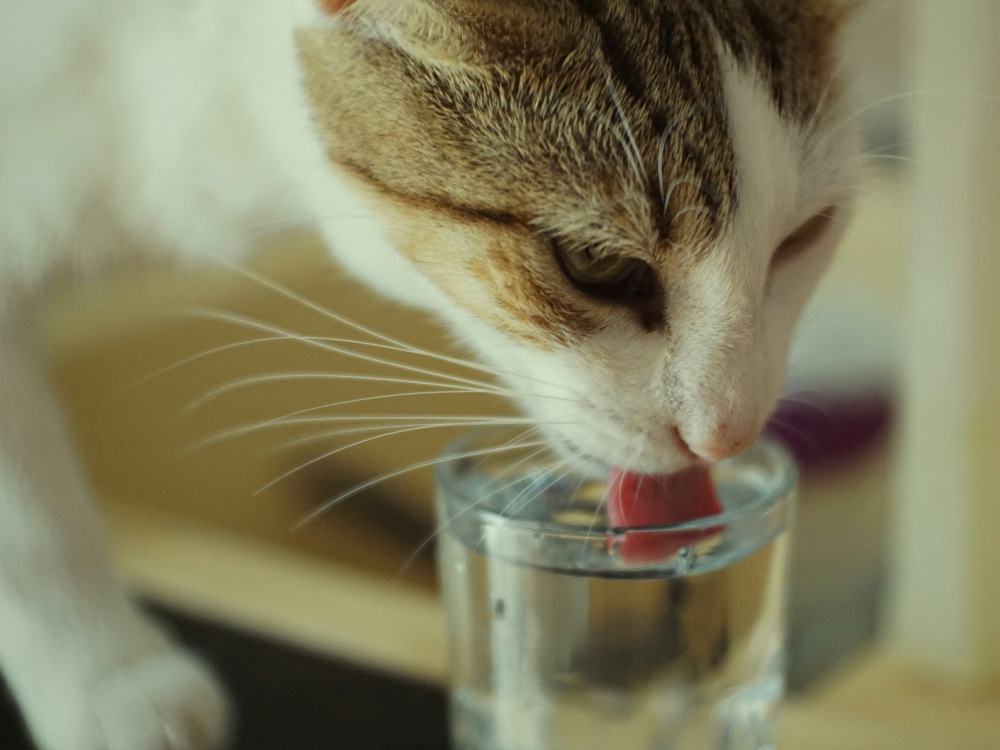
1. Know How Much Water Your Cat Actually Needs
Before you can improve your cat’s hydration, it helps to understand the goal. A healthy cat’s total daily water intake—from both food and drinking—should be roughly 40 to 60 ml per kilogram of body weight. A good rule of thumb is to aim for about 50 ml per kg.
For example:
- A 4 kg cat needs around 200 ml total per day.
- A 5 kg cat needs around 250 ml total per day.
But where does that water come from? It depends heavily on diet. Dry kibble contains only 5–10% moisture, meaning most of the water your cat needs must come from their bowl. Wet food, on the other hand, is 70–80% water and already covers a large portion of their hydration needs. Knowing this baseline helps you assess whether your cat is on track—and whether their current food and drinking habits are enough to keep them healthy through the warmer months.
2. Make Water Easy, Appealing, and Fresh
Cats are famously particular about water. In fact, many cats avoid drinking simply because they don’t like the presentation. Spring is the perfect time to rethink your setup.
- Place multiple bowls around the house. Add a water bowl in every room your cat frequents—next to their favorite napping spot, near their food, or on a sunny balcony. The easier it is to access, the more likely they’ll drink.
- Invest in a flowing water fountain. Cats are naturally drawn to moving water, which they instinctively associate with freshness. A circulating fountain not only encourages more drinking but also prevents the stagnant water that can grow bacteria faster in warmer weather.
- Use shallow, wide bowls. Deep bowls can brush against a cat’s sensitive whiskers—a phenomenon known as whisker fatigue. Switching to a shallow, open bowl makes drinking more comfortable and appealing.
- Change water daily (or twice a day). Fresh, cool water is always more inviting. A quick rinse and refill morning and night takes seconds but makes a big difference.
3. Boost Hydration Through Food—Without the Stress
For many cats, the easiest way to increase hydration isn’t through the water bowl at all—it’s through what they eat.
- Add wet food to their routine. Even if your cat is primarily on dry food, adding a spoonful of high-quality wet food each day provides a significant moisture boost. It’s an easy, low-stress way to increase fluid intake without forcing them to drink more.
- Moisten dry food gently. For cats who love their kibble, try adding a small splash of warm water and letting it soften slightly. This makes the meal more hydrating while preserving the familiar taste and texture.
- Monitor the litter box. One of the most reliable hydration indicators is their urine output. A well-hydrated cat typically produces 2 to 4 firm, light-yellow urine clumps per day. If you notice smaller clumps, fewer clumps, or darker yellow urine, it may be a sign of dehydration.
- Know when to act. If your cat strains to urinate, seems lethargic, or has dry gums, contact your veterinarian immediately. These can be signs of urinary blockages or other serious conditions that require prompt care.
A Healthy Spring Starts with Simple Habits
Hydration doesn’t have to be complicated. By understanding your cat’s daily needs, upgrading their water setup, and using food to support moisture intake, you can help them stay safe, comfortable, and healthy as the temperatures rise.
Spring is also a wonderful time to reconnect with your cat—whether it’s watching them curiously explore a new water fountain, enjoying a quiet moment together after a meal, or simply noticing how much brighter and more energetic they feel when properly hydrated.
Here’s to a happy, hydrated spring with your feline companion!